

 Français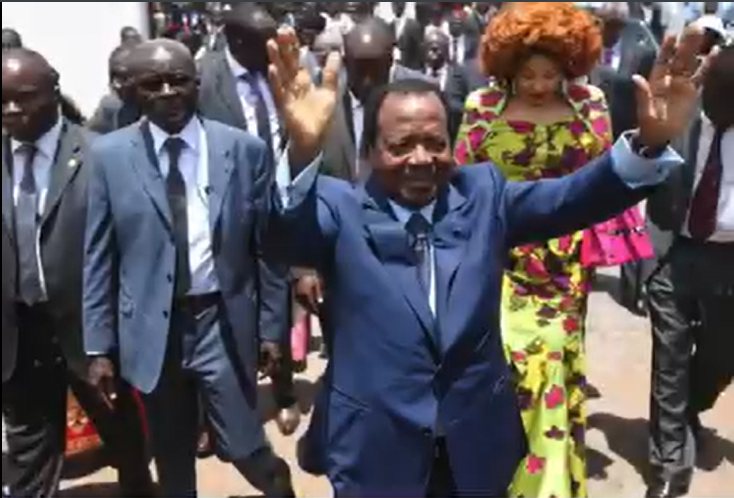
One week before the vote, Cameroon approaches an election charged with symbolism. At 92 years old, President Paul Biya, in power since 1982, is seeking an eighth consecutive term. His re-election would extend his rule for over four decades.
Facing him, eleven candidates are on the ballot, including two former regime allies: Issa Tchiroma Bakary and Bello Bouba Maïgari, who left government to enter the race.
The campaign intensifies: Issa Tchiroma Bakary held a rally in Douala, Joshua Osih (Social Democratic Front) mobilized supporters in the North, and Cabral Libii, leader of the Cameroonian Party for National Reconciliation, addressed his supporters in the Far North.
The ruling Cameroon People’s Democratic Rally continues its activities without the physical presence of the head of state, though an appearance in Maroua is rumored.
Organizationally, Elections Cameroon has announced the setup of over 30,000 polling stations across the country and at diplomatic missions.
However, the opposition denounces a lack of transparency in the publication of the updated electoral roll, citing the creation of unannounced new polling stations.
Beyond the vote, the October 12 election will serve as a moment of truth for the ruling class and institutions alike, amid a context where social expectations, questions of succession, and territorial stability intersect.